
How Demographic Changes Influence Future Housing Demand
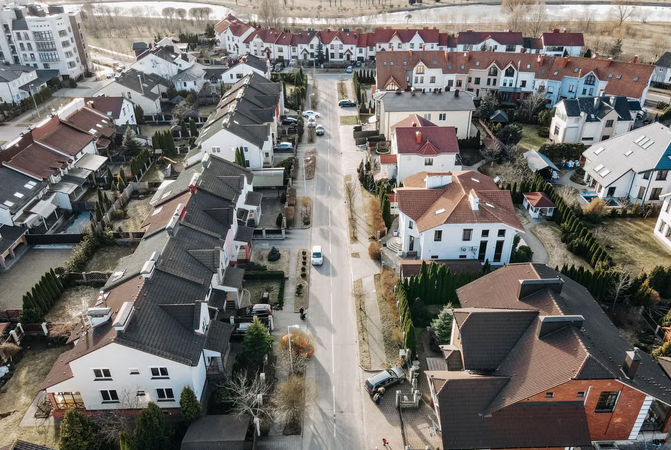
The housing market evolves alongside the people who live in it. While interest rates, construction activity, and economic conditions receive significant attention, demographic changes also shape long-term housing demand. Demographics refer to population characteristics such as age, household size, migration patterns, income levels, and family structure.
As these factors change over time, they influence the types of homes people need and where they choose to live. If you click www.berliner-kurier.de/ratgeber/darum-fluechten-jetzt-tausende-ins-brandenburger-umland-li.10071752, you will see that the population movement toward surrounding communities illustrate how migration patterns can quickly affect local housing demand and residential development. Builders, developers, investors, and local governments all monitor demographic trends because they provide valuable insight into future housing requirements. Understanding how demographic changes influence future housing demand helps explain why residential markets continue adapting to changing population needs.
Understanding Population Growth
Population growth remains one of the strongest drivers of housing demand. As more people live within a region, the need for additional homes naturally increases. Growing communities require housing that supports expanding families, new workers, and individuals relocating for education or employment. Residential construction often follows these population increases to meet rising demand. However, growth does not occur equally across every location. Some cities experience rapid expansion while others remain relatively stable. Builders and planners study these differences to determine where future housing development will likely be needed most. Population growth continues influencing both the quantity and location of future residential construction.
Supporting Changing Family Structures
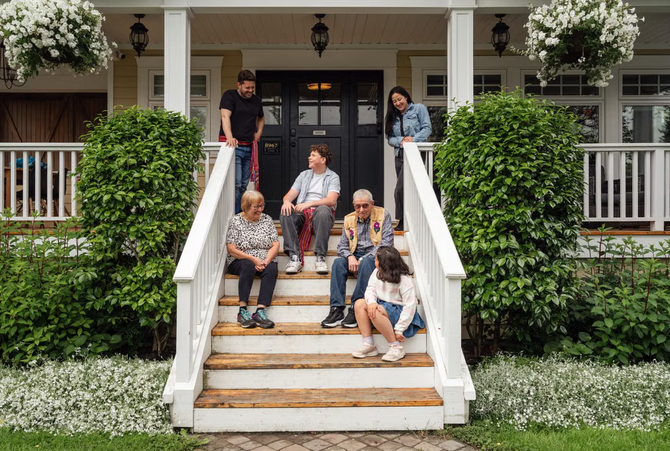
Households today often look different than they did several decades ago. Family size, living arrangements, and household composition continue changing across many communities. Some households consist of young professionals living alone, while others include multigenerational families sharing one property. Couples may delay homeownership, and retirees may seek smaller residences after children move away. These changing family structures create demand for a wider variety of housing options rather than one standard home design. Residential developers respond by offering different property sizes, layouts, and community types that better reflect evolving household needs.
Responding to Aging Populations
Many countries continue experiencing gradual increases in older adult populations. Longer life expectancy and declining birth rates contribute to this demographic shift. As homeowners age, housing preferences often change. Some individuals choose smaller homes that require less maintenance, while others prioritize accessibility features that support independent living. Single-story homes, communities with nearby services, and properties designed for long-term convenience become increasingly attractive. Residential markets adapt by expanding housing options that accommodate these changing lifestyle priorities. Aging populations therefore influence both housing demand and future residential design.
Following Migration Patterns
People regularly relocate for employment, education, lifestyle preferences, or family reasons. These migration patterns affect housing demand across different regions. Areas attracting new residents often experience stronger demand for both rental housing and homeownership opportunities. At the same time, regions losing population may experience slower housing activity. Internal migration between urban, suburban, and rural communities also shapes residential development priorities. Builders study these movement patterns to identify locations where future housing demand is expected to remain strong. Migration continues influencing local housing markets even when broader national trends remain relatively stable.
Adapting to Lifestyle Preferences
Housing demand depends not only on population size but also on how people choose to live. Lifestyle preferences continue evolving alongside work patterns, technology, and personal priorities. Many households now value flexible living spaces that accommodate remote work, home offices, outdoor recreation, or multigenerational living. Others seek walkable neighborhoods with convenient access to transportation, shopping, and public services. These changing preferences encourage residential developments that better match modern lifestyles. Builders increasingly design communities that reflect how people actually use their homes rather than relying solely on traditional floor plans.
Planning for Future Communities
Long-term housing planning requires looking beyond current market conditions. Demographic data helps communities prepare for future residential needs before shortages develop. Local governments, planners, and developers analyze age distribution, employment growth, birth rates, and migration trends when preparing future housing strategies. This information supports decisions about infrastructure, transportation, schools, healthcare facilities, and residential development. Careful planning allows communities to balance future housing supply with expected population changes. Preparing ahead helps support sustainable growth while improving long-term neighborhood development.
Demographic changes influence future housing demand by affecting population growth, family structures, aging populations, migration patterns, lifestyle preferences, and long-term community planning. These trends shape both the number of homes required and the types of properties people will seek in the years ahead. Understanding how demographic changes influence future housing demand demonstrates that successful residential planning depends on people as much as buildings. Housing markets continue evolving because communities, families, and individual lifestyles change over time. By studying demographic patterns, builders and planners can create neighborhoods that better serve future generations while supporting stable and sustainable housing development.