How to Make Your Bathroom and Kitchen Safer for Older Adults
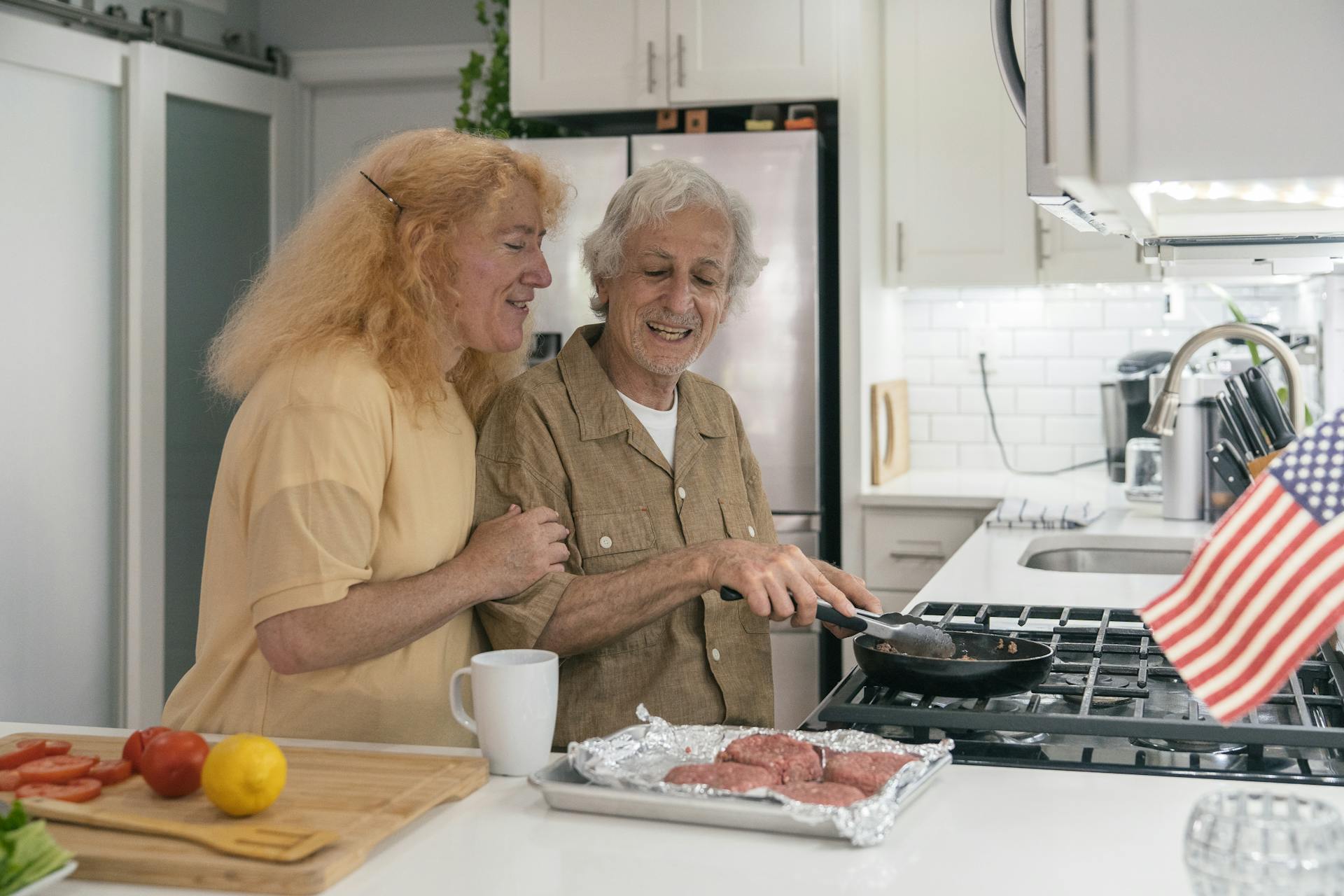
Are you thinking of living independently when getting older? That’s great. In fact, there are a lot of benefits of independent living for seniors. But it’ll also come with some challenges. Bathrooms and kitchens are high-risk areas for older adults, with slips and falls occurring more often than anywhere else in the home. Making these spaces safer can significantly improve confidence and independence. Even small changes like better lighting or grab bars can prevent injuries and make daily tasks easier. Safety upgrades don’t have to be elaborate—they just need to be practical. A home designed with older adults in mind keeps life moving smoothly.
Install Grab Bars and Support Rails
Bathrooms are notorious for slips, especially near the shower or bathtub. Adding grab bars at key points provides support when entering or exiting. Handrails along stairways or near steps reduce the chance of sudden falls. Properly placed supports help seniors move confidently without fear. It’s important to anchor bars securely and position them within easy reach. A simple pull on a bar can prevent a major fall. Bars can also give peace of mind to caregivers. Small structural upgrades make daily routines far safer.
Add Non-Slip Flooring and Mats
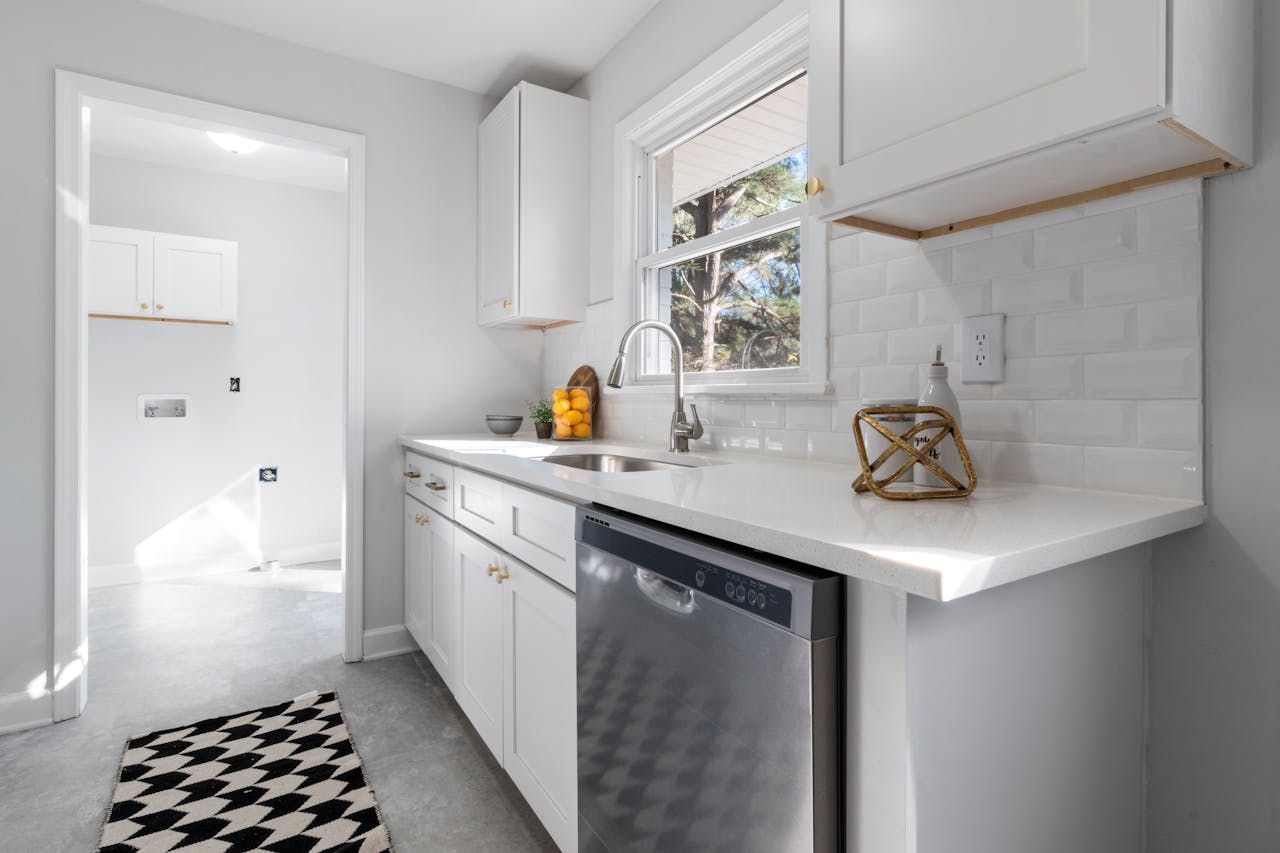
Slippery surfaces are a leading cause of accidents among older adults. Installing non-slip flooring in kitchens and bathrooms lowers risk significantly. Anti-slip mats inside the shower and near sinks add extra traction. Well-chosen textures keep footing stable even if water spills. Lighting works hand-in-hand with flooring. Bright, glare-free lights allow seniors to see wet spots or uneven tiles. Motion-sensor lights can help during nighttime trips to the bathroom. Together, these adjustments prevent accidents before they happen.
Upgrade Faucets and Handles
Traditional knobs can be difficult for seniors with arthritis or reduced grip strength. Lever-style faucets and easy-turn handles reduce strain and make water control simpler. Touchless faucets add convenience while minimizing the risk of scalds. Simple hardware changes improve usability without major renovations. Cabinet handles can also be upgraded to lever designs. Pulls that are easier to grip prevent unnecessary bending or stretching. Daily chores become less of a struggle, which encourages independence. Functional adjustments keep routine tasks comfortable and safe.
Improve Lighting and Visibility

Poor lighting contributes to trips, slips, and disorientation. Install bright, even lighting over countertops, sinks, and around the bathtub. Nightlights in hallways or bathroom entrances provide guidance during nighttime visits. Seniors can navigate spaces without fear or hesitation. Shadows and glare can still pose hazards, so consider diffused lighting. Adjustable brightness or motion-activated lights add convenience. Clear visibility helps seniors maintain confidence in daily tasks. Effective lighting reduces accidents and supports independence.
Consider Walk-In Showers and Step-Free Entryways
Traditional tubs can be challenging for seniors to enter safely. Walk-in showers or curbless designs eliminate the need to lift legs over high edges. Adding foldable shower seats allows safe bathing without fatigue or balance issues. Handheld showerheads improve control and reduce the risk of slips. Step-free entrances in kitchens or bathrooms further enhance mobility. Seniors can enter freely without relying on support or assistance. Outdoor ramps or gentle transitions maintain accessibility throughout the home. Combining these renovations creates a safer, more manageable environment for daily living.
Making bathrooms and kitchens safer for older adults requires practical adjustments, from grab bars to step-free entries. Each upgrade contributes to confidence, mobility, and independence. Thoughtful design ensures seniors can live comfortably at home while minimizing risk. Safety and convenience together create an environment where older adults can thrive.…