
Understanding Balance, Scale, and Proportion in Interior Design
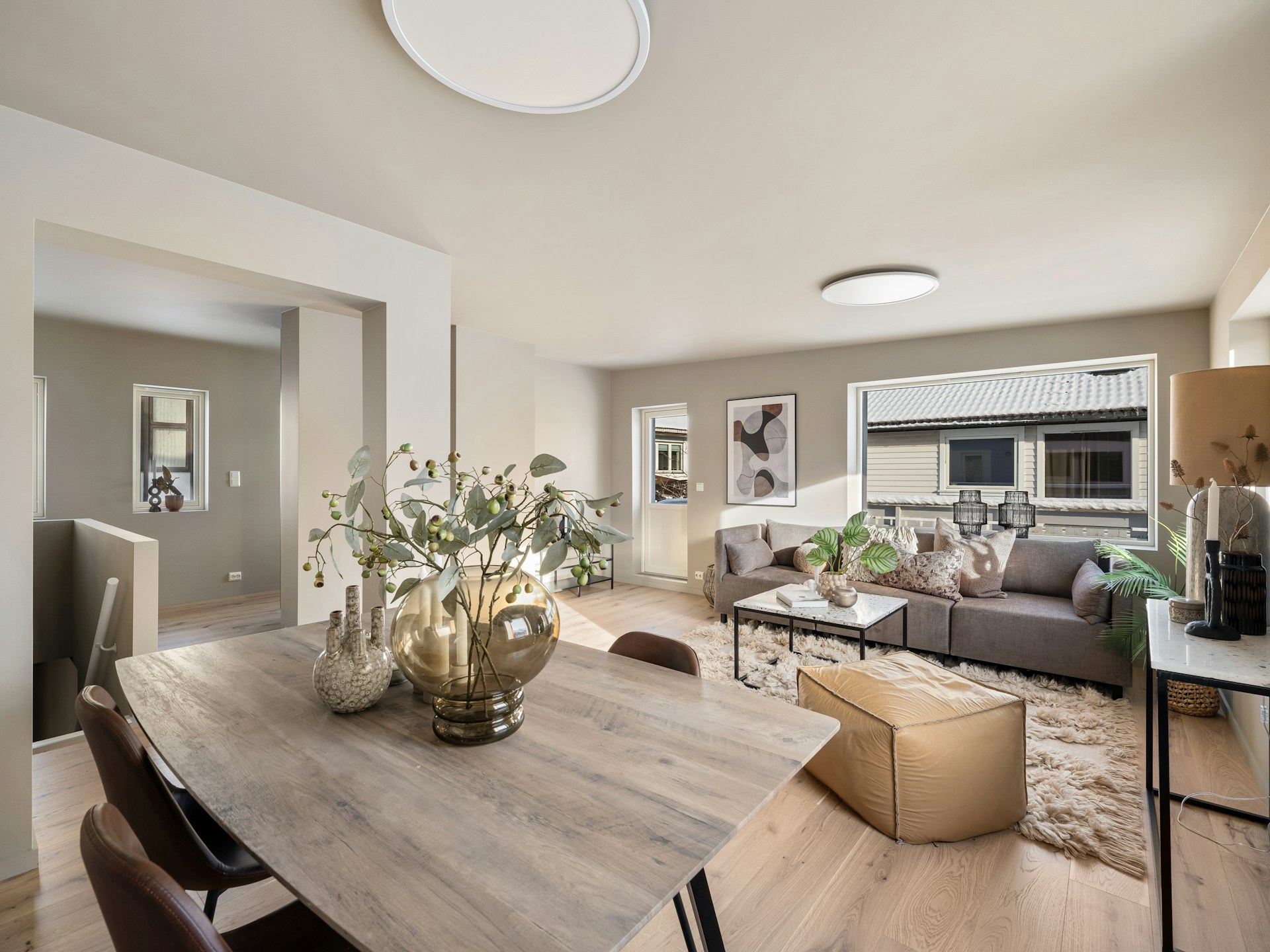
Interior design feels intuitive when a room works well, yet the principles behind that comfort are specific. Balance, scale, and proportion shape how spaces feel before color or décor is noticed, which is why mood board creation for interior projects often plays a key role in visualizing these relationships early. These ideas guide how furniture relates, how rooms flow, and why some spaces feel calm while others feel awkward. Understanding these concepts helps people design with confidence. This article explains balance, scale, and proportion in interior design using clear language, focusing on perception, harmony, and practical awareness rather than rigid rules or professional jargon.
What Balance Means in a Room
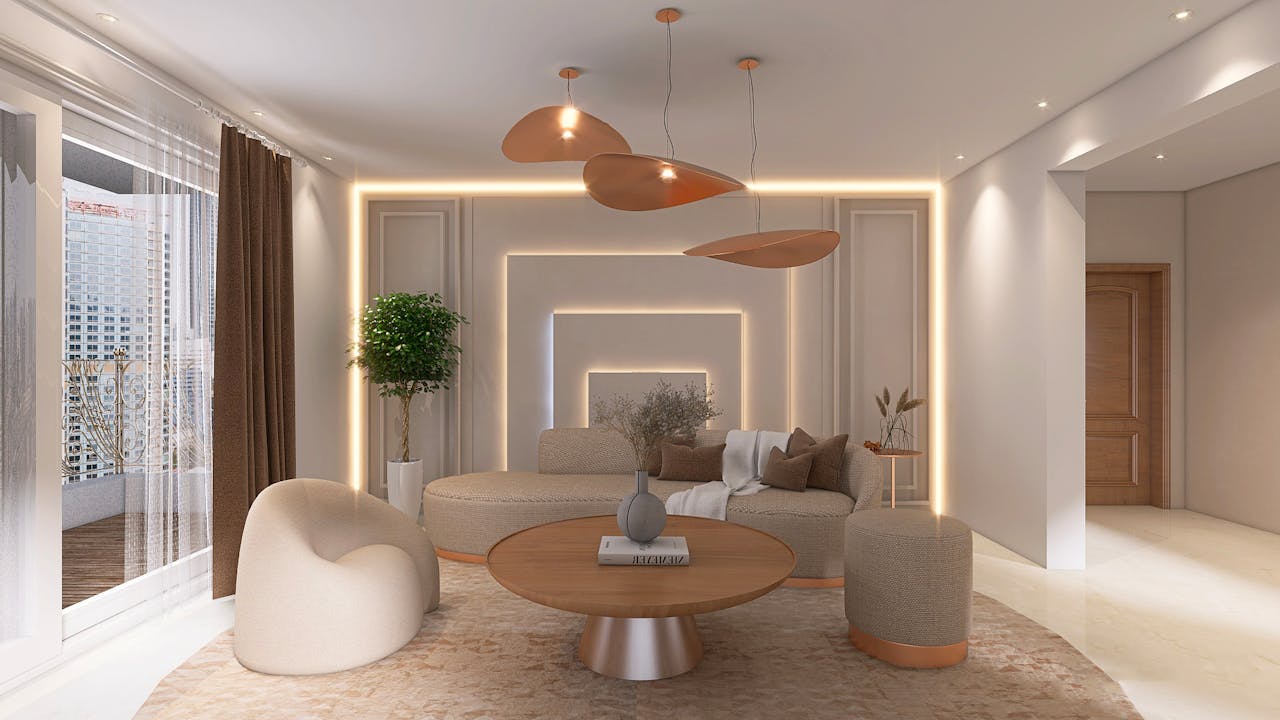 Balance refers to visual stability. A balanced room feels grounded. Elements appear evenly distributed. This does not require symmetry. Balance can be formal or relaxed. What matters is that no area feels too heavy. Furniture, color, and texture all contribute. When balance is present, the eye moves comfortably through the space without stopping abruptly or feeling pulled to one side.
Symmetrical and Asymmetrical Balance
Symmetrical balance mirrors elements on each side of a space. It feels calm and orderly. Asymmetrical balance relies on contrast and variation. Different items carry similar visual weight. Both approaches work. The choice depends on mood. Symmetry feels structured. Asymmetry feels dynamic. Understanding both allows designers to choose intention over habit.
Scale Defines Object Size
Scale describes how large something is compared to the space around it. A sofa too large overwhelms a room. One too small feels lost. Scale affects comfort and function. Correct scale supports movement and usability. It ensures furniture fits the room without crowding or shrinking the space visually. Awareness of scale prevents common layout mistakes.
Human Scale Matters Most
Human scale considers the body. Chairs must support posture. Tables must feel reachable. Ceilings influence comfort. When objects suit human proportions, spaces feel welcoming. Ignoring the human scale creates discomfort even if measurements seem correct. This principle ensures rooms feel livable, not just visually pleasing.
Use Repetition to Support Proportion
Repetition reinforces proportion. Repeated shapes, heights, or colors create cohesion. This repetition guides the eye and builds rhythm. It helps different items feel connected. Proportion improves when patterns echo across a space. The room feels intentional instead of random.
Proportion Shapes Relationships
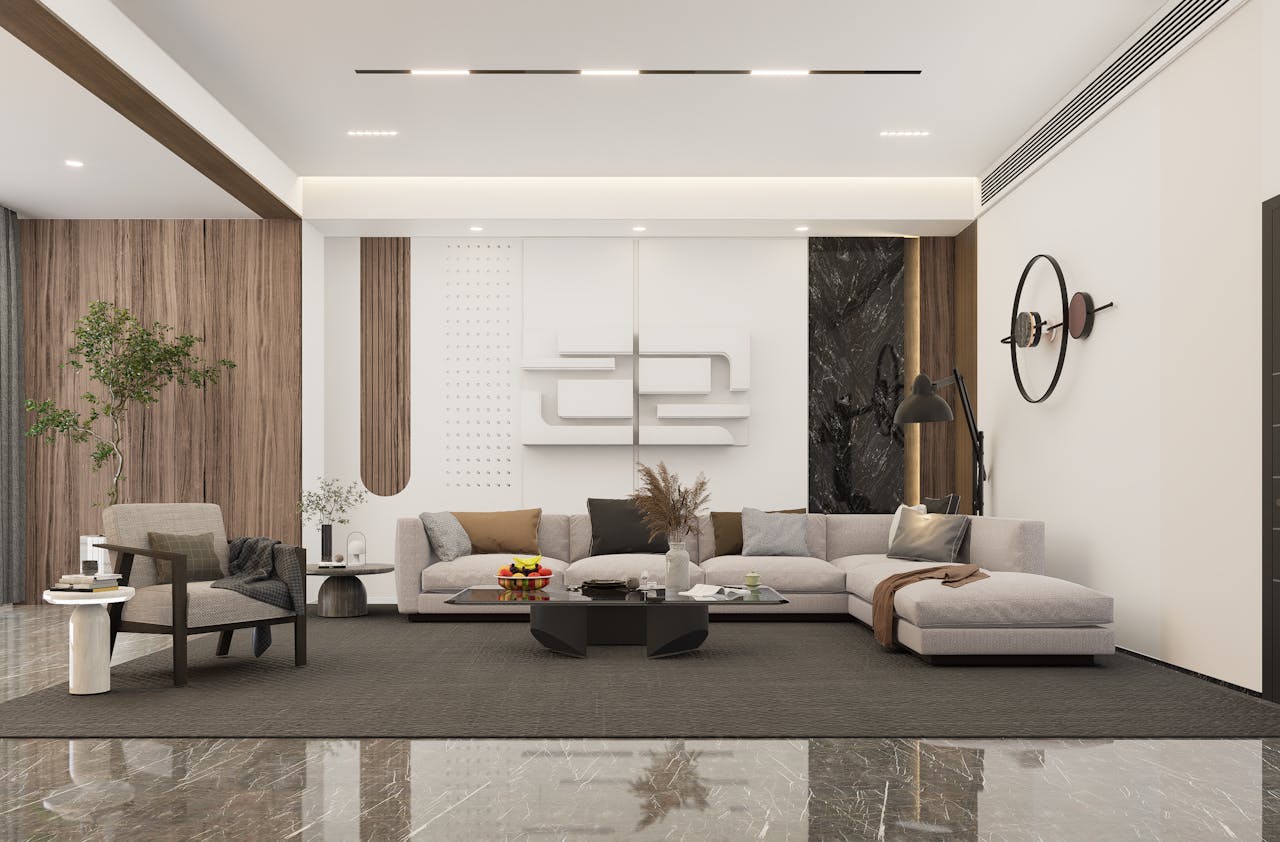
Proportion describes how elements relate to each other. It focuses on ratios. A large sofa pairs best with substantial tables. Delicate décor suits lighter furniture. When proportions align, harmony appears naturally. Poor proportion creates tension. Items compete rather than complement. This relationship matters more than individual style choices.
Balance, Scale, and Emotion
These principles influence emotion. Balanced spaces feel calm. The proper scale feels comfortable. Good proportion feels natural. Together, they affect mood more than decoration. A unique sense of ease emerges when these elements align. Emotional response often reveals whether design principles are working.
Apply Principles With Flexibility
Rules guide, but should not restrict. Balance, scale, and proportion adapt to context. Rooms serve different needs. Flexibility allows creativity. Designers adjust principles to fit lifestyle, architecture, and preference. The goal is not perfection. It is harmony that supports daily life.
Understanding balance, scale, and proportion builds design confidence. These principles explain why some rooms feel right. They guide decisions before trends enter the picture. When applied thoughtfully, spaces feel stable, comfortable, and cohesive. With utmost care, designers learn to trust perception while refining awareness. Small adjustments make large differences. When people ensure these principles guide choices, rooms support living rather than distract from it. Good design feels effortless because it respects how people see, move, and feel within space.…